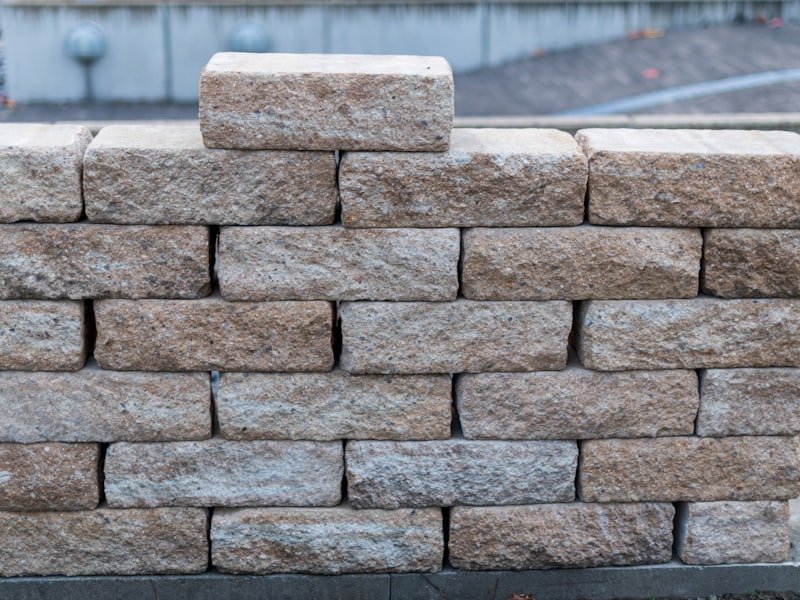
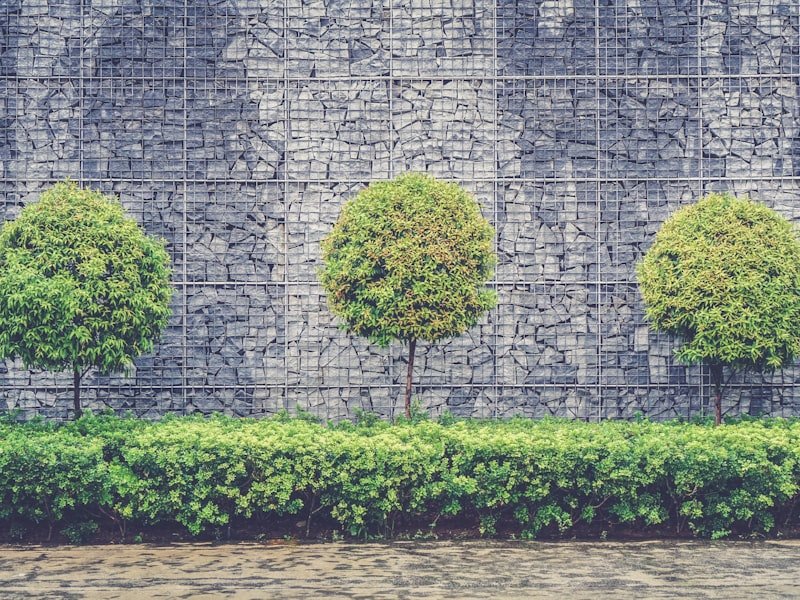
Big stone does big work. A well-built armour stone retaining wall turns a slope you can’t use into a level yard you’ll live in, holds back soil that wants to move, and gives the front of your home the kind of permanent, natural weight that concrete block never quite matches. We design, supply, and install armour stone across Ottawa — retaining walls, garden steps, entrance features, culvert ends, and standalone accent boulders — engineered for this region’s clay soils and deep winter frost.
It is natural quarried rock — usually limestone or granite drawn from Ontario and Quebec quarries along the Canadian Shield — cut into large, roughly rectangular blocks that can weigh anywhere from a few hundred pounds to well over a tonne each. Moving it safely, seating it level, and building a structure that will pass inspection and stand for decades takes dedicated equipment and hands-on experience that general landscapers often don’t carry. Many crews simply can’t lift a one-tonne block, let alone stack a wall that drains correctly and resists frost. That gap is exactly where we work.
We’ve spent years of hands-on work placing heavy stone across the Ottawa region, and we’ve learned the local ground the hard way — on real sites, in real conditions. We know how Leda clay behaves when it gets wet, how a narrow side-yard gate changes an entire install plan, and why a wall that looks fine in October can lean by April if the drainage was skipped. Armour stone is what we do, and doing one thing well is the whole point of specialization: fewer surprises, cleaner builds, and a finished feature that behaves the way natural stone is supposed to — quietly permanent.
We also work alongside interlock and precast when a design calls for it, and we regularly handle the heavy-rock portion of projects that other Ottawa landscape designers would rather hand off. Whether you want a single sculptural boulder as a garden focal point or a multi-tiered retaining system reshaping an entire backyard, the approach is the same: measure carefully, build on a proper base, and put the commitment in writing.
Heavy natural stone is the core of what we build. That focus means the right clamps and machinery to move large blocks without damaging your yard, and the placement experience to seat each stone so the wall reads as one solid mass rather than a stack of rocks.
Any retaining wall over one metre (about 3 ft 3 in) of exposed height in Ottawa requires a building permit and a design sealed by a Professional Engineer (P.Eng.). We arrange the engineered drawings and manage the City of Ottawa permit application end to end, so the structural responsibility for taller walls sits where it should.
Deep frost and reactive clay are the two forces that break local landscape structures. We build with those forces in mind — proper footing preparation, granular base, and drainage that keeps water from freezing into heave-generating ice lenses behind the wall.
Our walls start with excavation to a stable base, then compacted aggregate, non-woven filter fabric, clear stone backfill, and drainage before the face stone ever goes down. These aren’t upsells; they’re the standard construction sequence, and the documentation is available on request.
For walls that cross the one-metre threshold or sit in complex conditions — near a property line, above a driveway, or on poor soil — engineered structural drawings are part of the package, not an afterthought discovered halfway through the dig.
You get a written, fixed-price quote after an on-site assessment, and a written warranty delivered with your project close-out. What you sign is what you pay, barring the documented exclusions every honest quote carries (permits at cost, unforeseen ground conditions).
Below are the armour stone services we build most often, each with an indicative price range based on published 2025–2026 Ontario-market pricing for natural-stone landscape work. Ranges are starting points for planning only — your price is the written quote you receive after an on-site assessment. See the pricing summary and disclosure block that follow for what these ranges include and exclude.
The workhorse of armour stone landscaping. Retaining walls hold back soil on sloped lots, create level, usable space for a patio or lawn, and protect foundations and grades from erosion. In Ottawa they’re especially common on the rolling terrain near the Rideau Canal and Ottawa River. Installed cost for natural stone / armour stone walls typically runs about $35–$65 per square foot of wall face; a straightforward 50-foot wall at 3 feet high (roughly 150 sq ft of face) commonly lands in the $3,750–$7,500 range before engineering and permits. Taller walls need heavier blocks, deeper bases, and engineering, which moves the figure up.
Single large blocks make broad, solid, slip-resistant treads that are as durable as they are handsome — ideal for changes in grade at an entrance or through a sloped garden. Natural-stone step treads generally run about $300–$550 each installed, and a typical set of three to four steps often falls between roughly $1,500 and $4,000 depending on width, rise, and access.
Not every yard needs a full wall. A single well-chosen boulder can anchor a garden bed, mark a driveway entrance, or simply give you a natural place to sit. Ornamental and accent stones are the most budget-flexible option — individual stones are commonly sold in the range of about $60–$195 each depending on size, with placement priced by access and equipment needs.
Armour stone makes crisp, permanent edges along driveways and dresses up culvert ends at rural and semi-rural entrances — a common need in Ottawa’s outlying communities. Pricing depends on linear footage and stone size; we quote it as part of your overall site plan.
On steeper slopes, two or more shorter walls with a planted terrace between them often look better than one tall wall — and, when each tier stays under a metre, can sometimes change the permit picture. Tiered systems typically cost more overall than a single wall of equivalent height (often 20–50% more) because each tier needs its own base preparation and drainage.
Large stone frames water beautifully. Simple stone cascades start modestly, while multi-tiered water features with pumps, basins, and lighting scale well upward. We build the stonework and coordinate the water components as your design requires.
Flooding and heavy rain events are becoming more common around Ottawa, and armour stone is a proven tool for diverting water, armouring shorelines and swales, and stabilizing slopes that keep slipping. We assess the drainage pattern first, then place stone to move water toward — not away from — where it belongs.
Every project begins with selecting the right stone: the colour, size, and texture that suit your home and grade. We help match limestone or granite tones to your property and translate your ideas into a buildable plan before a single block is delivered.
The table below collects indicative ranges for our most-requested armour stone services, benchmarked against published 2025–2026 Ontario-market pricing for natural-stone landscape work. Read it alongside the disclaimer and disclosure block underneath.
Retaining wall — typical 50 ft × 3 ft (≈150 sq ft face): $3,750–$7,500 before engineering and permits.
What moves your price. Several real factors push a quote up or down within — or beyond — these ranges: wall height (the single biggest driver, because taller walls need heavier blocks, deeper footings, and engineering); total length; site access (a gate narrower than about 8 feet can force craning stone over the house or hand-carrying smaller pieces, both premium scenarios); drainage complexity; the stone type and finish you choose; ground conditions revealed during excavation; and whether steps, caps, lighting, or water features are added. Difficult access alone can add roughly 10–30% to a project.
Full pricing disclosure. Indicative ranges above are for planning and describe the general Ottawa/Ontario market — they are not a quote for your project and are not an offer to contract. Unless your written quote states otherwise, ranges exclude: building permit fees (billed at cost); engineering and P.Eng. sealed drawings (billed at cost); HST; disposal of excavated soil or demolition of an existing structure; and any unforeseen ground conditions such as buried debris, rock, or unstable soil discovered once work begins. Your price is the written, fixed-price quote you receive after an on-site assessment — that document, not this page, governs what you pay.
Ottawa’s rolling terrain leaves many homeowners with a backyard that drops away too steeply for a patio, a play area, or a garden. A retaining wall — or a tiered set of walls — carves that slope into level, usable ground and holds it there.
When grade runs toward the house, every rainfall pushes soil and water at your foundation. Properly placed armour stone redirects that flow and armours the vulnerable areas, protecting the most expensive part of your property.
Ottawa ground frost regularly reaches 1.2 metres and can penetrate to about 1.5 metres in exposed areas. Any structure founded above that active zone gets pushed upward unevenly. We build bases and drainage designed to keep water from freezing into the ice lenses that generate heave.
Much of Ottawa sits on sensitive Champlain Sea (Leda) clay, which expands when wet and shrinks when dry, creating uneven pressure under anything built on it. Sound base preparation and drainage are the difference between a wall that stays put and one that moves with the seasons.
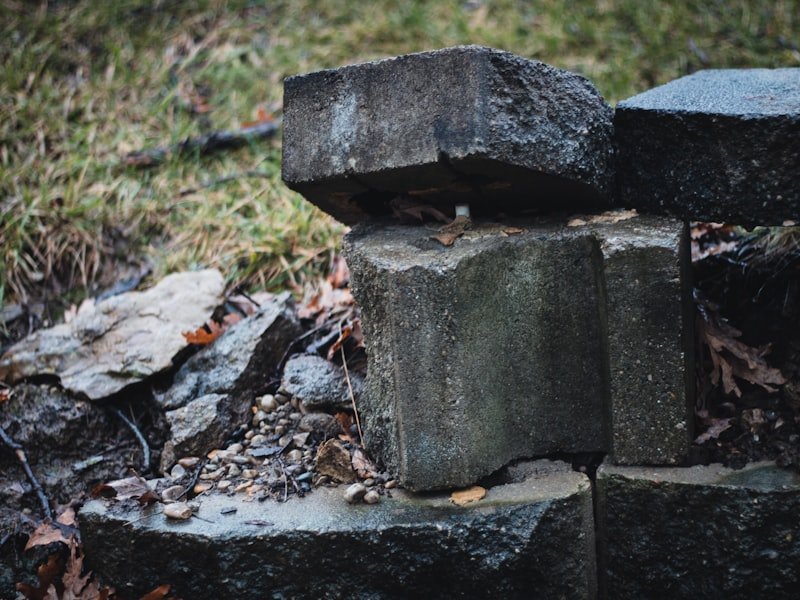
Clay doesn’t drain. Water that pools behind a wall builds hydrostatic pressure — the number-one cause of retaining-wall failure. Our walls include filter fabric, clear-stone backfill, and drainage so water has somewhere to go before it becomes a problem.
Sometimes the problem is simply that the property looks ordinary. A single sculptural boulder, a run of stone steps, or a low garden wall adds natural character and lasting curb appeal that lifts the whole property.
Any reputable Ottawa stone contractor should answer all six without hesitation. If drainage or base preparation gets waved off as unnecessary on a “small” wall, treat that as a warning sign — skipped drainage is the most common reason short walls fail early.
We visit your property, look at the grade, check access, and talk through what you want to achieve. This is where a realistic plan starts.
We translate your goals into a buildable design and help you choose the stone colour, size, and texture that suit your home and grade.
You receive a clear written quote — typically within a few business days of the assessment — with the scope, the stone, and the price spelled out.
For walls over one metre or in complex conditions, we arrange P.Eng.-sealed drawings and handle the City of Ottawa building permit application end to end.
We excavate to a stable subgrade, build and compact the granular base, and install filter fabric, clear-stone backfill, and drainage before face stone is set — with inspection stages as the permit requires.
We set and level each block, finish the surrounding grade, clean the site, and deliver your written warranty and project documentation on completion.
Have a project in mind? Call (613) 324-9141 or use the contact form to book step one.
Book Your AssessmentWe build armour stone projects throughout the City of Ottawa and its surrounding communities, from established central neighbourhoods to the rural edges where culvert ends and driveway edging are everyday work. Areas we serve include:
Don’t see your neighbourhood listed? If you’re in the Ottawa area, call us — we very likely cover you. All of our work stays within Ontario; we don’t take armour stone projects across the river into Quebec.
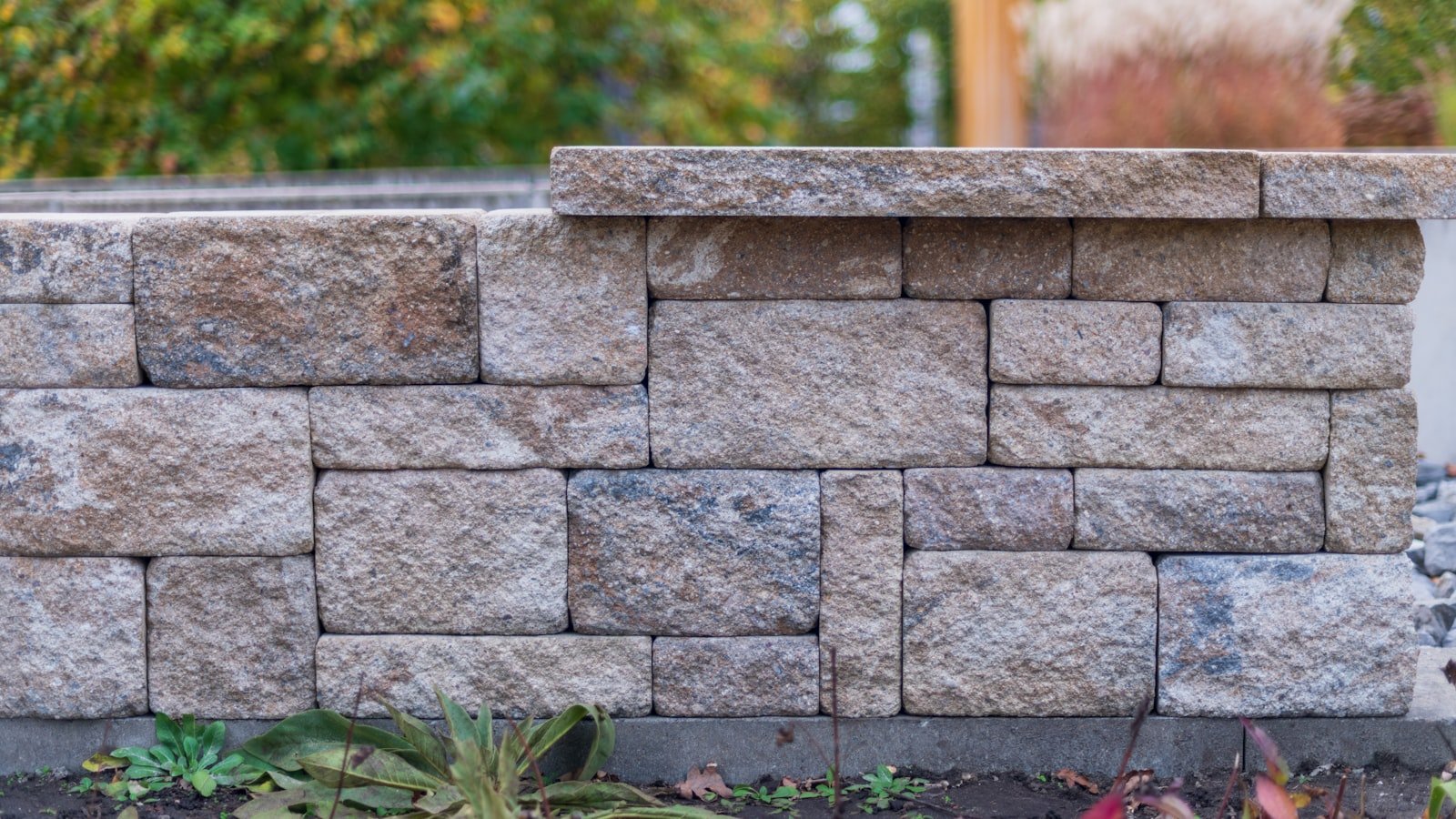
Building heavy stone in Ottawa means building for specific local rules and ground conditions. Here’s the practical background every homeowner should know before starting a project.
In Ottawa, a retaining wall over one metre (about 3 ft 3 in) of exposed height requires a City of Ottawa building permit. Walls under a metre generally don’t require a permit but still must respect zoning setbacks. The Ontario Building Code also treats certain walls as “designated structures” — for instance, a wall adjacent to public property, a building entrance, or an area the public can access — which brings permit and guard requirements into play even when the wall itself sits on private land. We assess which rules apply to your specific site during the on-site visit.
Walls over one metre of exposed height in Ottawa must be designed by a Professional Engineer (P.Eng.), who provides sealed drawings specifying wall dimensions, reinforcement, drainage, and foundation. Engineering fees typically run about $1,000–$3,000 depending on wall complexity, soil, and access. For anything near a property line, above a driveway, or on poor soil, an engineer’s involvement is wise even below the one-metre line.
The Ottawa–Gatineau region sees deep frost: ground frost regularly reaches about 1.2 metres and can penetrate to roughly 1.5 metres in exposed areas — deeper than Toronto’s typical 1.2-metre line. Structures founded above that active zone get lifted by frost heave. For heated foundations the Code minimum is 1.2 metres below grade, and in poor-draining Leda clay areas engineers may call for placement closer to 1.5 metres. It’s the reason a stone structure’s base and drainage matter far more here than in milder cities.
Much of Ottawa is built on sensitive marine clay — Leda clay, also called Champlain Sea clay — deposited when the sea covered this valley after the last ice age. It’s highly frost-susceptible because of its silt content and moisture retention, and it swells when wet and shrinks when dry. Capillary rise in this clay can exceed three metres, continuously feeding ice lenses from below the frost line. Practically, that means drainage isn’t optional and the base must be built to tolerate a soil that moves.
Inadequate drainage is the number-one cause of retaining-wall failure everywhere, and Ottawa’s clay makes it worse — water that can’t escape builds hydrostatic pressure that bows and topples walls. Every wall we build includes clear-stone backfill, filter fabric, and a drainage path, and we grade the surrounding soil to move water away from both the wall and your foundation. Where flooding risk is high, we design the stonework specifically to divert water toward the drainage system.
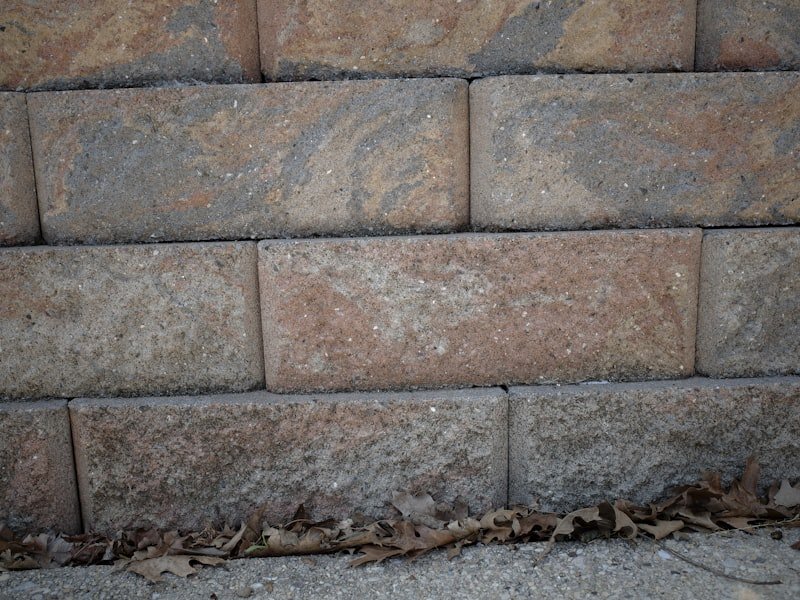
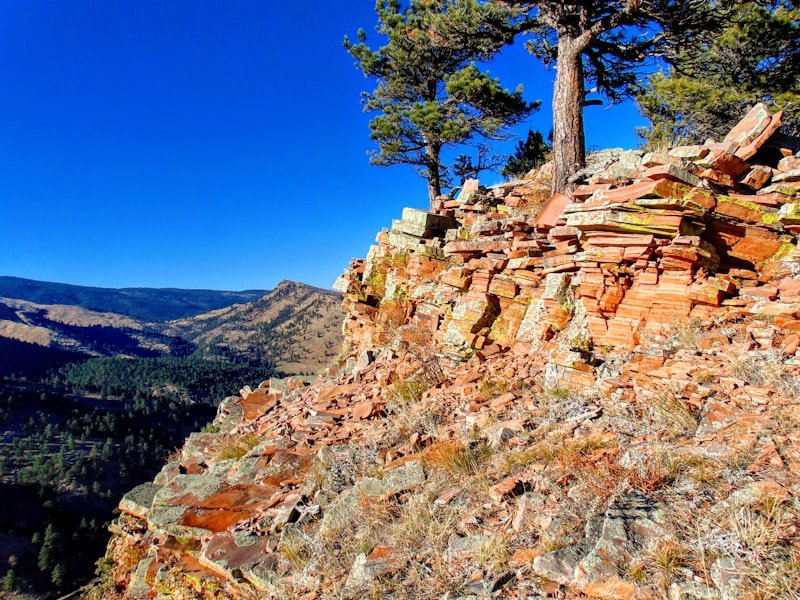
Ottawa armour stone is natural quarried rock — limestone and granite drilled and blasted from Ontario and Quebec quarries along the Canadian Shield. It arrives in large, roughly rectangular blocks in a range of sizes and earth tones, and it is naturally resistant to wear and erosion, which is why a properly built armour stone wall can outlast almost anything else in your yard. Concrete block and natural stone walls commonly last 50 years or more when the base and drainage are done right.
“Our backyard in Barrhaven dropped off so steeply we’d basically given up on it. The tiered walls turned it into a flat, usable space we actually spend time in now. The crew explained the drainage step by step.”
“They handled the engineered drawings and the city permit for our front wall so we didn’t have to chase any of it. The written quote was exactly what we paid.”
“A single big limestone boulder at the end of the driveway completely changed how the property looks. Small job for them, big difference for us.”
“We had water pooling against the foundation every spring. The regrading and the stone swale they built finally sent it the other way.”
“I design landscapes but don’t have the equipment for heavy rock. I bring them in for the armour stone portion and it’s always seated properly and on time.”
“The steps into our sloped garden are solid as bedrock and wide enough to walk two-abreast. Two winters in and nothing has shifted.”
“What I appreciated most was the honesty about access — they told us upfront the narrow gate meant craning stone, and priced it clearly instead of springing it on us later.”
Whether it’s a slope you’re tired of mowing, a wall that’s leaning a little more each spring, or a front entrance that deserves better — the first step is a conversation and a no-cost, no-obligation on-site assessment. We’ll look at the grade, check the access, and give you a written, fixed-price quote you can hold in your hand.
The City of Ottawa and surrounding communities — Ontario side only.
We book your on-site assessment, measure the grade and access, and follow up with a written, fixed-price quote — typically within a few business days.